
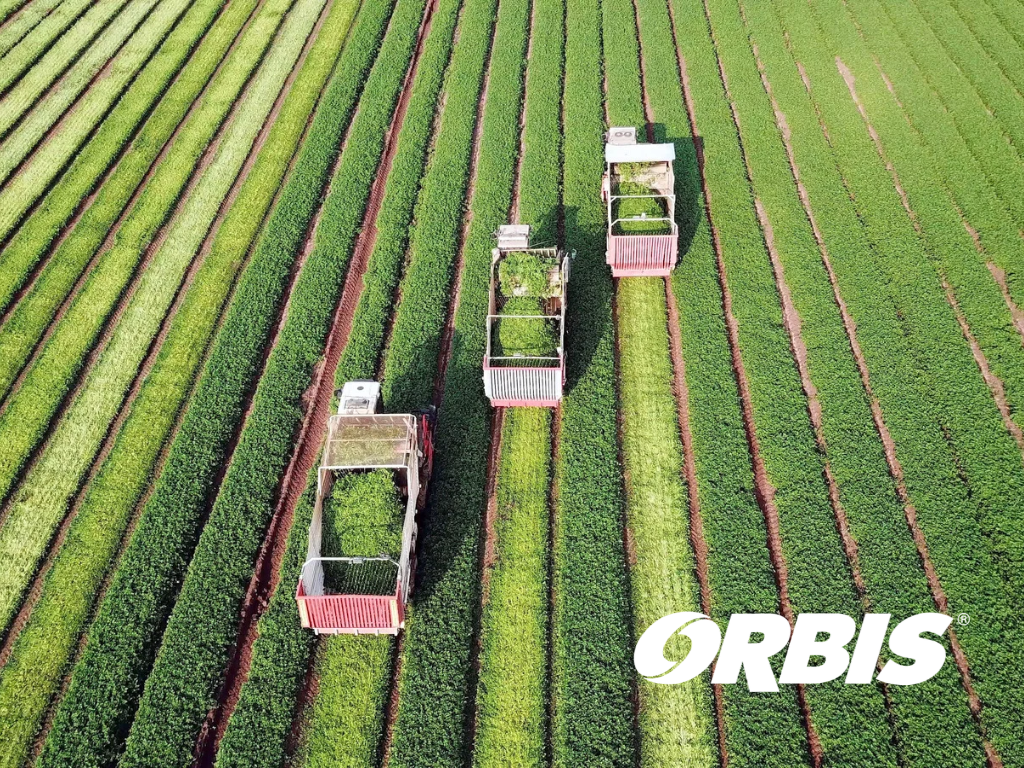
19 Nov Agricultural Machinery Manufacturing: Transporting Heavy Components Safely and Efficiently
Agricultural Machinery Manufacturing: Transporting Heavy Components Safely and Efficiently
How Reusable Plastic Containers Save Space, Costs, and Packaging Waste
YOUR POINT OF CONTACT
 +49 2233 619 2072

If you need additional information on our products or would like to request a quote, we are happy to help.
Agricultural machinery manufacturers place high demands on their transport packaging. Containers must withstand demanding supply chain environments, accommodate bulk shipments, and protect high-value components. At the same time, they need a load carrier designed for repeated circulation that reduces storage and return transport costs. Durable reusable plastic packaging meets these requirements.
Transport conditions in the agricultural sector are particularly harsh. Companies move large, heavy loads and irregularly shaped components such as axles, frames, and trailer hitches. As a result, transport packaging must be exceptionally robust and load-bearing. The challenges extend beyond transportation itself. Load carriers are often stored outdoors, where they are exposed to mud, dust, UV radiation, and fluctuating temperatures.
Supply chain structures add another level of complexity. Global supplier networks mean long transport routes and multiple handling points. Throughout the journey, components must remain reliably protected. During seasonal production peaks, containers must also be stored efficiently and be readily available when needed. In aftermarket and spare parts logistics, circulation efficiency is equally important, with reusable packaging continuously moving between manufacturing plants, suppliers, and distributors.
Where Wood, Steel, and Corrugated Cardboard Reach Their Limits
For many years, transport packaging made from wood, steel, or corrugated cardboard was the preferred choice for these applications. However, each material has its drawbacks. Corrugated cardboard generates ongoing disposal and replacement costs because it is typically a single-use solution. While steel and wood can be reused, they are cumbersome to handle and often fail to adequately protect components from corrosion and contamination. As a result, more agricultural machinery manufacturers are adopting alternative reusable systems to improve supply chain efficiency, maximize warehouse capacity, and reduce packaging waste and procurement costs.
The European Packaging and Packaging Waste Regulation (PPWR) is further accelerating the transition to reusable packaging. By 2030, agricultural machinery manufacturers will also be required to minimize material use, increase the adoption of reusable packaging in B2B supply chains, and comply with recycled-content targets. Sustainable and durable plastic packaging solutions meet these PPWR requirements while also representing a sound economic investment for more efficient logistics operations.
The following two examples illustrate the benefits of switching to reusable plastic containers.
- Cleaner Components with Enclosed Bulk Containers
One agricultural machinery manufacturer transported components between domestic and international locations using steel mesh containers. Because these containers were not fully enclosed, components frequently became contaminated during transport and storage. The company also faced high costs for empty return shipments. As a result, the customer selected the GitterPak® (HDB1208-960) as an alternative solution. ORBIS developed this collapsible bulk container, along with its newer sister model, the HDB1208-600, as a replacement for traditional steel mesh containers.
The GitterPak® can support loads of up to 900 kg, making it suitable for demanding industrial applications. Its collapsible design helps agricultural machinery manufacturers significantly reduce space requirements during return transport and storage. In this application, suppliers ship loaded containers to the manufacturer, which then returns them in a collapsed state. This reduces return transport volume to approximately one-third of the original size. In addition, the smooth, enclosed surfaces protect components from dirt and contamination.
- Reusable Instead of Disposable: Reducing Costs with Plastic Packaging
In a second example, an industrial equipment manufacturer used single-use corrugated cardboard packaging alongside wooden and steel transport containers for heavy components. The high consumption of disposable materials continuously increased procurement costs. At the same time, the customer wanted to improve reverse logistics and implement a durable solution capable of withstanding many transport cycles. The company selected the XXLPak (HDR3230).
Although the initial investment in the plastic container was higher, its long service life quickly delivered a return on investment. The customer significantly reduced its consumption of disposable packaging materials. Thanks to the collapsible design, storage and transport capacities could be utilized more efficiently, with return ratios reaching up to 2.6:1.
Turning Old into New: Circular Economy with Plastic Packaging
In addition to economic advantages, ORBIS Europe load carriers also provide environmental benefits. All products contain up to 80% recycled content and are fully recyclable at the end of their service life. This allows material to remain within the resource cycle, reducing the demand for virgin raw materials such as petroleum while lowering water and energy consumption as well as emissions. As part of its circular economy approach, ORBIS buys back end-of-life load carriers from customers at material value and processes them into new products.
Making the Switch Pays Off, Economically and Environmentally
In agricultural machinery manufacturing, packaging made from wood, steel, or corrugated cardboard is increasingly becoming outdated. Reusable plastic containers reduce costs, require less storage space, offer superior product protection, and make return logistics more efficient. Their long service life and recyclability further improve sustainability performance. Companies that make the transition early can prepare for PPWR requirements while building a more sustainable and future-proof logistics operation.
Reusable Packaging Solutions from ORBIS Europe for Agricultural Logistics
Which containers are most commonly used in agricultural equipment applications?
Containers with a footprint of 1,200 × 800 mm are particularly popular, especially as replacements for steel mesh containers and steel racks. The collapsible bulk containers in the HDB series are especially well suited for these applications.
Which load carriers are suitable for oversized components?
For axles, large gearbox assemblies, and other oversized components, ORBIS offers larger footprint solutions such as the HDR7848 and HDR6548.
What should companies evaluate before switching to reusable plastic packaging?
The business case for transitioning to reusable plastic packaging can be assessed using ORBIS Europe’s Packaging Lifecycle Assessment Tool. The tool compares the environmental impact of different packaging concepts and helps companies identify a solution that aligns with their long-term logistics requirements. In addition, fire protection regulations and insurance requirements may restrict the storage of plastic containers in certain facilities. Existing warehouse infrastructure and potential modernization investments should therefore also be included in the evaluation process before making the switch.
Weitere Artikel in unseren News
Make Full Use of Load Capacity
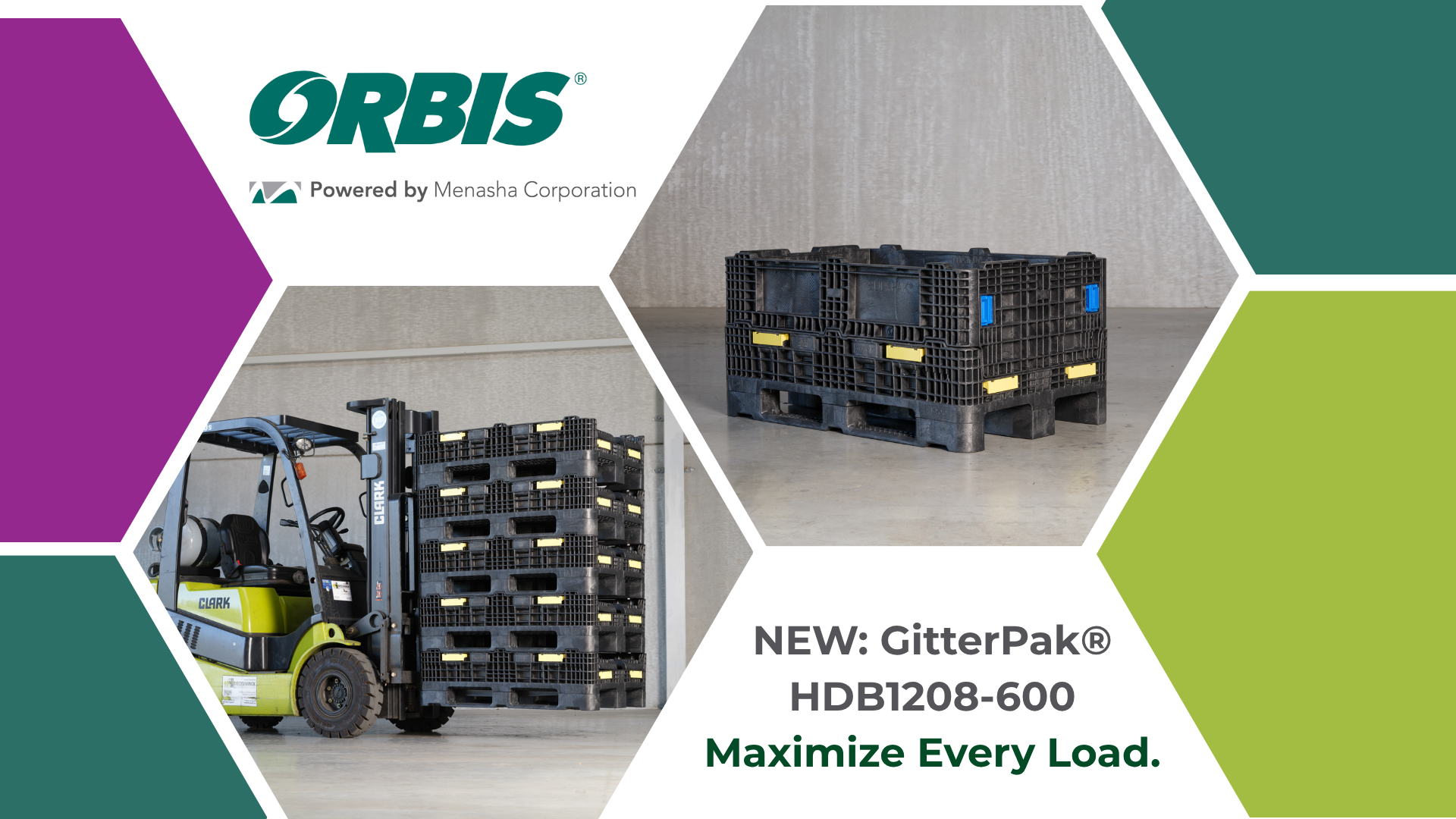
A truck transporting air is just as expensive as one that is fully loaded. When shipping bulky industrial components, transport containers are often not filled to capacity. Several ORBIS customers were facing exactly this challenge. Our product development team addressed it with an idea that has now reached full production readiness: a lower-profile version of the proven GitterPak® for heavy industrial components.
Local to Local: ORBIS Europe enters new markets with regional experts
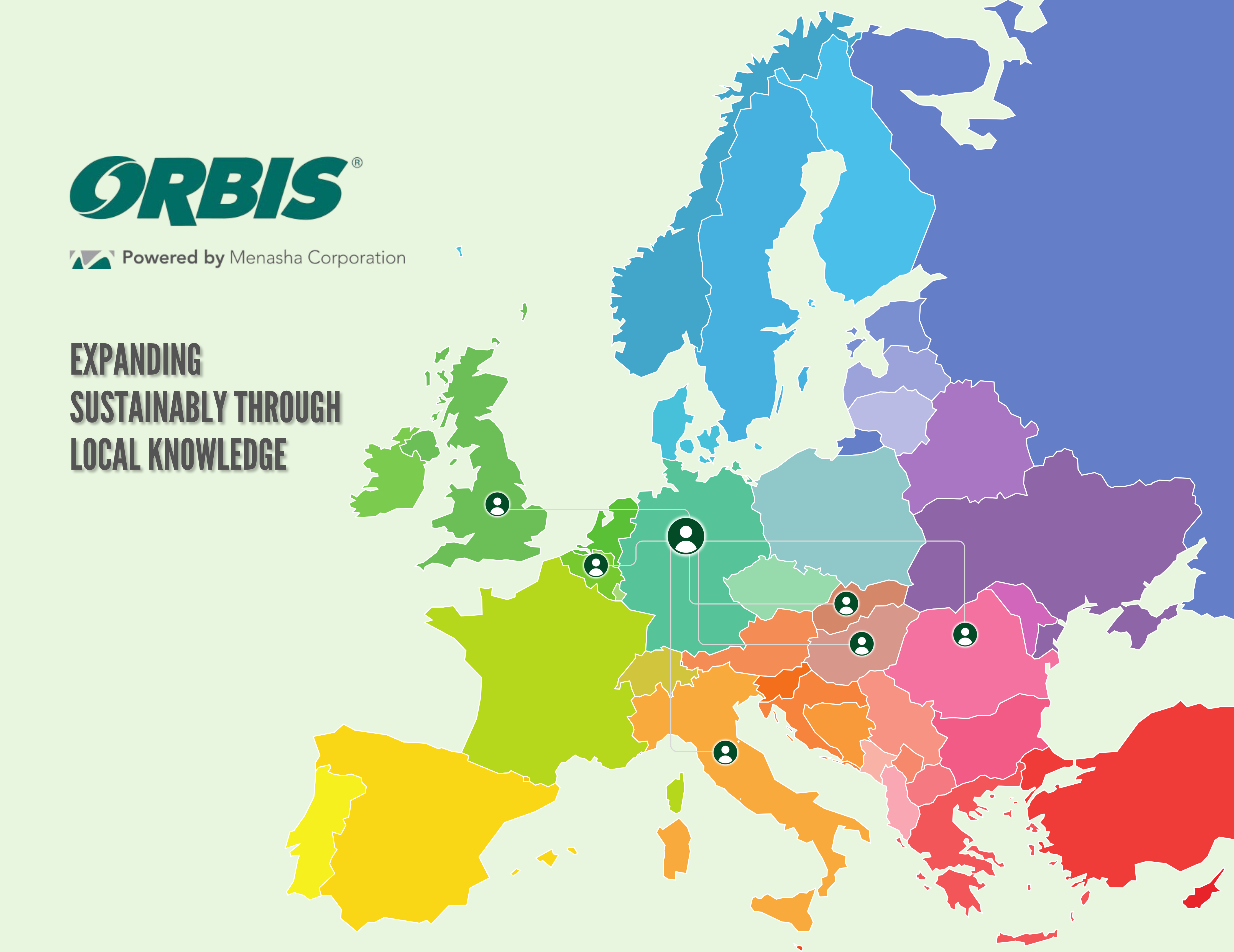
ORBIS Europe continues to grow: Since September 2025, the manufacturer of sustainable plastic packaging has been active in the Italian market, with Nicola Corciulo as its local representative. In April 2026, the company expanded its European presence to Romania, Slovakia and Hungary, appointing Tamas Kodori at the helm. In doing so, ORBIS is pursuing a “Local to Local” approach.

Logistics in the food industry: Meeting high standards with plastic packaging
Transporting food safely, hygienically, and cost-efficiently is a constant challenge for manufacturers and logistics service providers in the food industry. At the same time, sustainability expectations continue to grow—driven by regulations such as the EU Packaging Regulation (PPWR). As a result, traditional solutions like wooden boxes are increasingly reaching their limits. In the right applications, reusable plastic packaging offers a forward-looking alternative—one that not only meets strict regulatory and ecological requirements but also delivers clear economic added value.