
16 Jul Local to Local: ORBIS Europe enters new markets with regional experts
Local to Local: ORBIS Europe enters new markets with regional experts
Italy, Romania, Slovakia and Hungary lead the way
YOUR POINT OF CONTACT

If you need additional information on our products or would like to request a quote, we are happy to help.
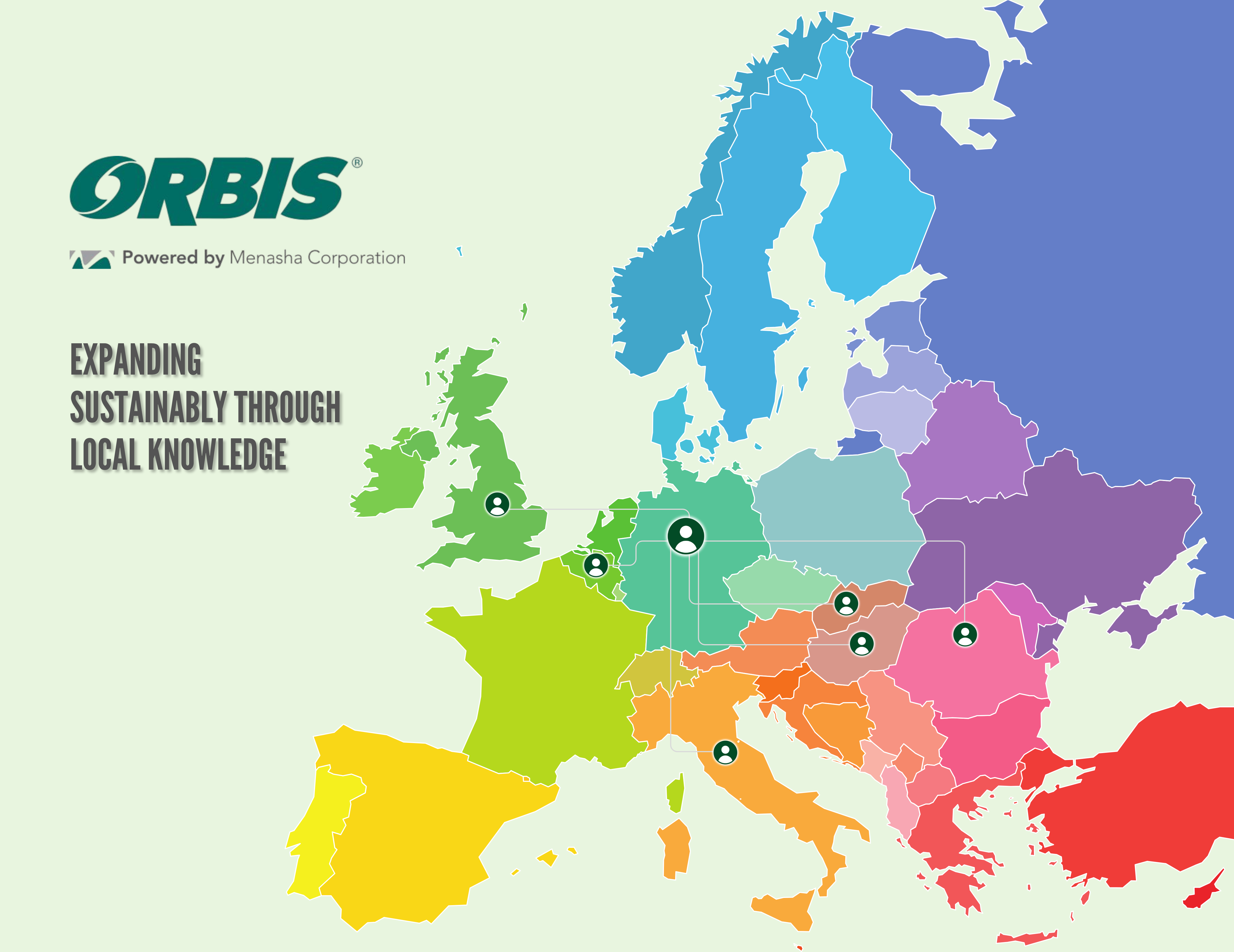
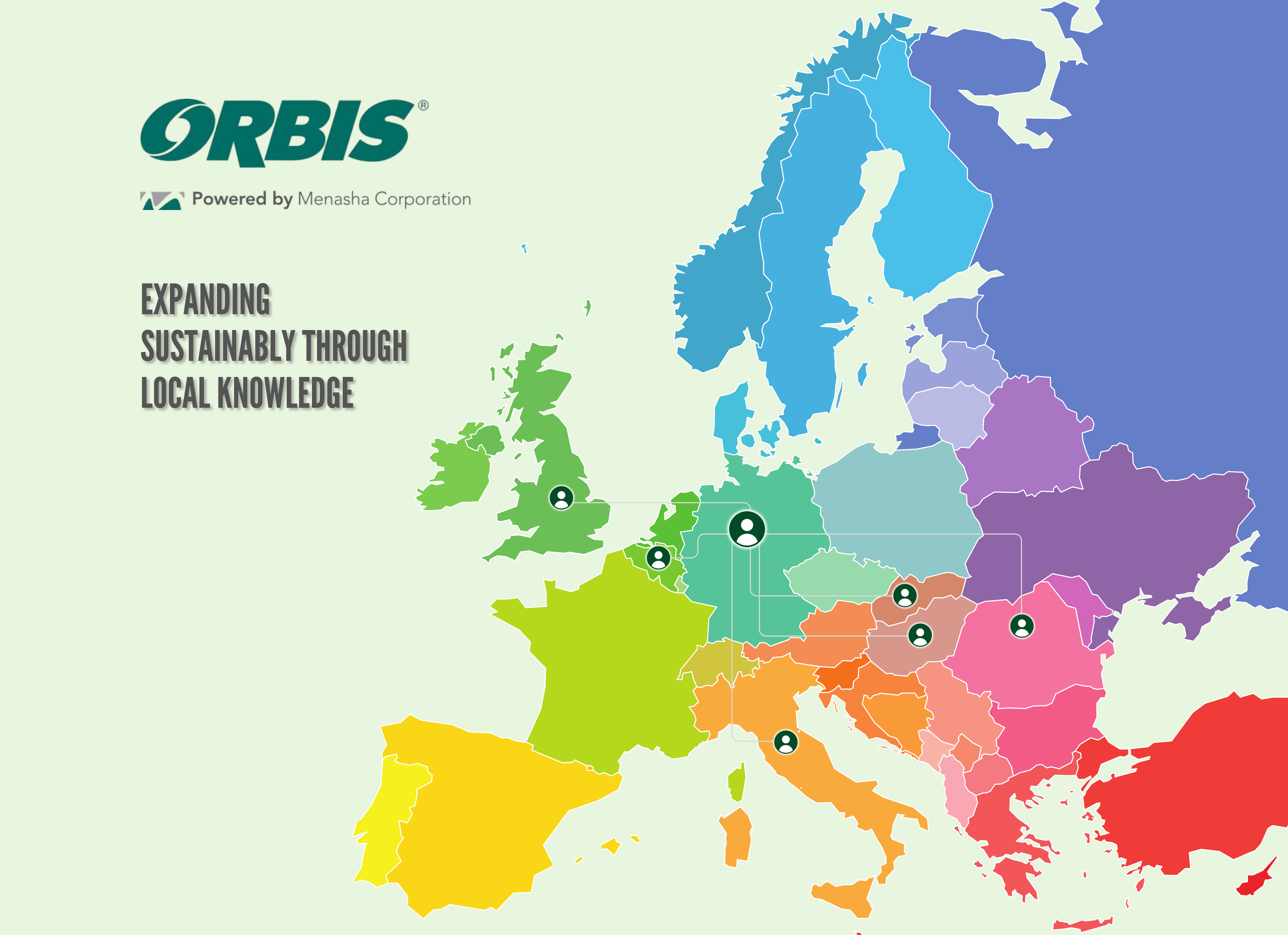
ORBIS Europe continues to grow: Since September 2025, the manufacturer of sustainable plastic packaging has been active in the Italian market, with Nicola Corciulo as its local representative. In April 2026, the company expanded its European presence to Romania, Slovakia and Hungary, appointing Tamas Kodori at the helm.
In doing so, ORBIS is pursuing a “Local to Local” approach. Jürgen Krahé, Senior Commercial Director at ORBIS Europe, sums it up: “The basic idea behind ‘Local to Local’ is simple: Successful customer relationships are built through direct interaction with people on the ground. Our regional experts speak the local language, understand the cultural context and can visit customers more frequently. This allows them to build genuine relationships and combine a local presence with in-depth market knowledge.”
We spoke with Nicola and Tamas about their markets and plans, as well as what the “Local to Local” approach means to them.
ORBIS’ new regional experts: an interview with Nicola Corciulo and Tamas Kodori
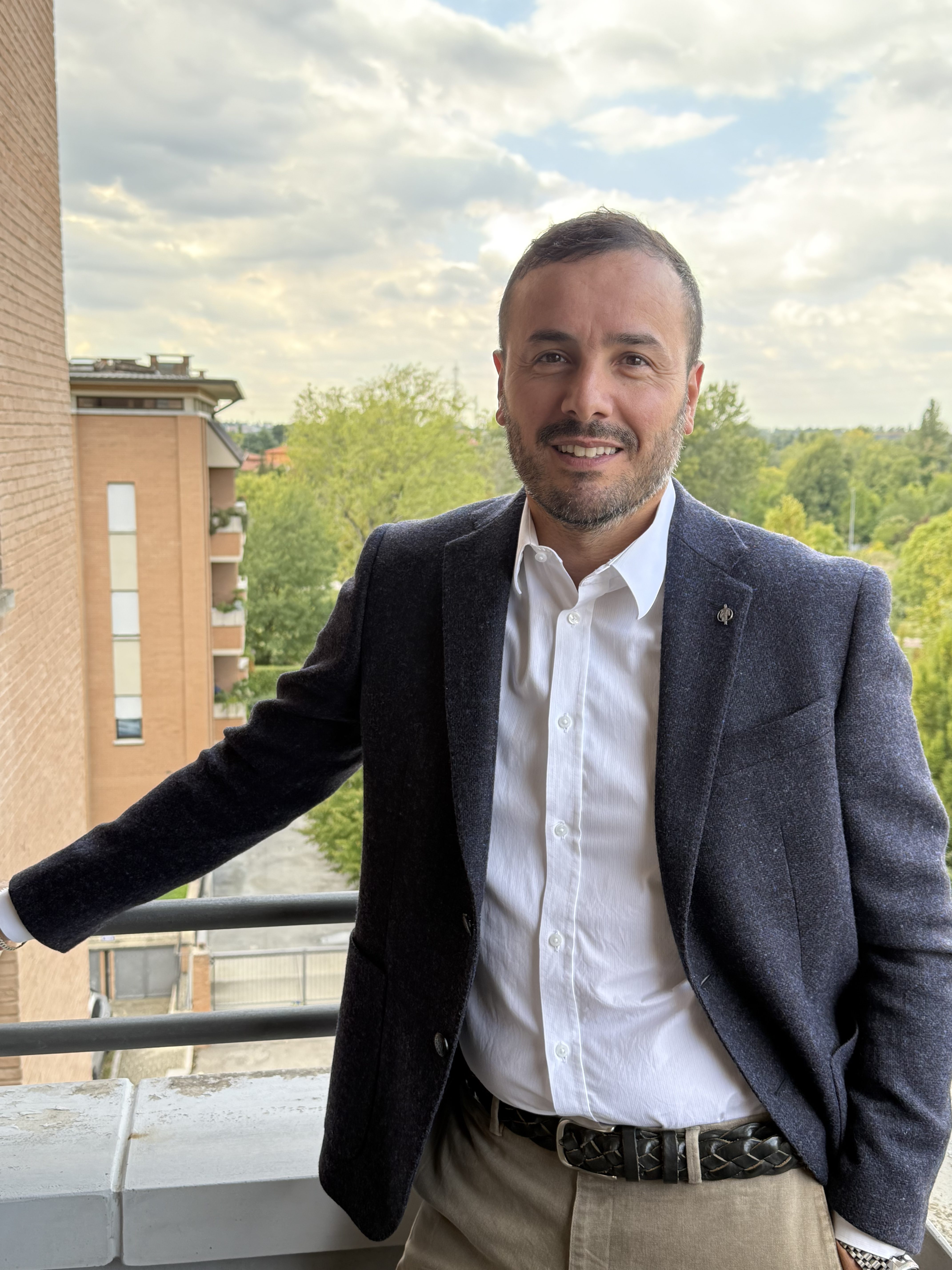
Mr. Nicola Corciulo – Italian Market
Nicola and Tamas, why does it make sense for ORBIS to expand into the markets you are responsible for?
Nicola: The broad range of solutions offered by ORBIS is ideally suited to Italy’s diverse industrial landscape, which includes the automotive, pharmaceutical, agricultural, food and beverage, aerospace and defence sectors. It quickly became clear to me that this is an ideal environment in which to address a wide variety of customer needs with our products.
Tamas: Romania, Slovakia and Hungary have long been an integral part of European manufacturing networks. Many well-known companies in the automotive, industrial, electronics and electric vehicle sectors have established production and assembly sites here. For ORBIS, entering these markets is the next logical step in its European growth strategy.
Tamas, what challenges are your customers facing?
Tamas: My customers are dealing with a wide range of issues. Reducing costs and increasing production
efficiency are at the top of the agenda. Other key challenges include the requirements of the Packaging and Packaging Waste Regulation, or PPWR, the shortage of skilled labour and, finally, localisation. Localisation refers to an approach in which companies prefer to source their goods regionally or at least from within Europe. Global events in recent years have demonstrated how vulnerable international supply chains can be. This has prompted many organisations to rethink their sourcing strategies.
What does the “Local to Local” approach mean to you personally?
Nicola: For me, “Local to Local” means one thing above all: being available to our customers at all times and responding quickly to their enquiries and requirements.
Tamas: To me, “Local to Local” means being accessible, present and close to the customer. This proximity offers real added value, as it allows me to provide technical support on site and offer project-specific packaging solutions that precisely meet the needs of customers in each individual market.
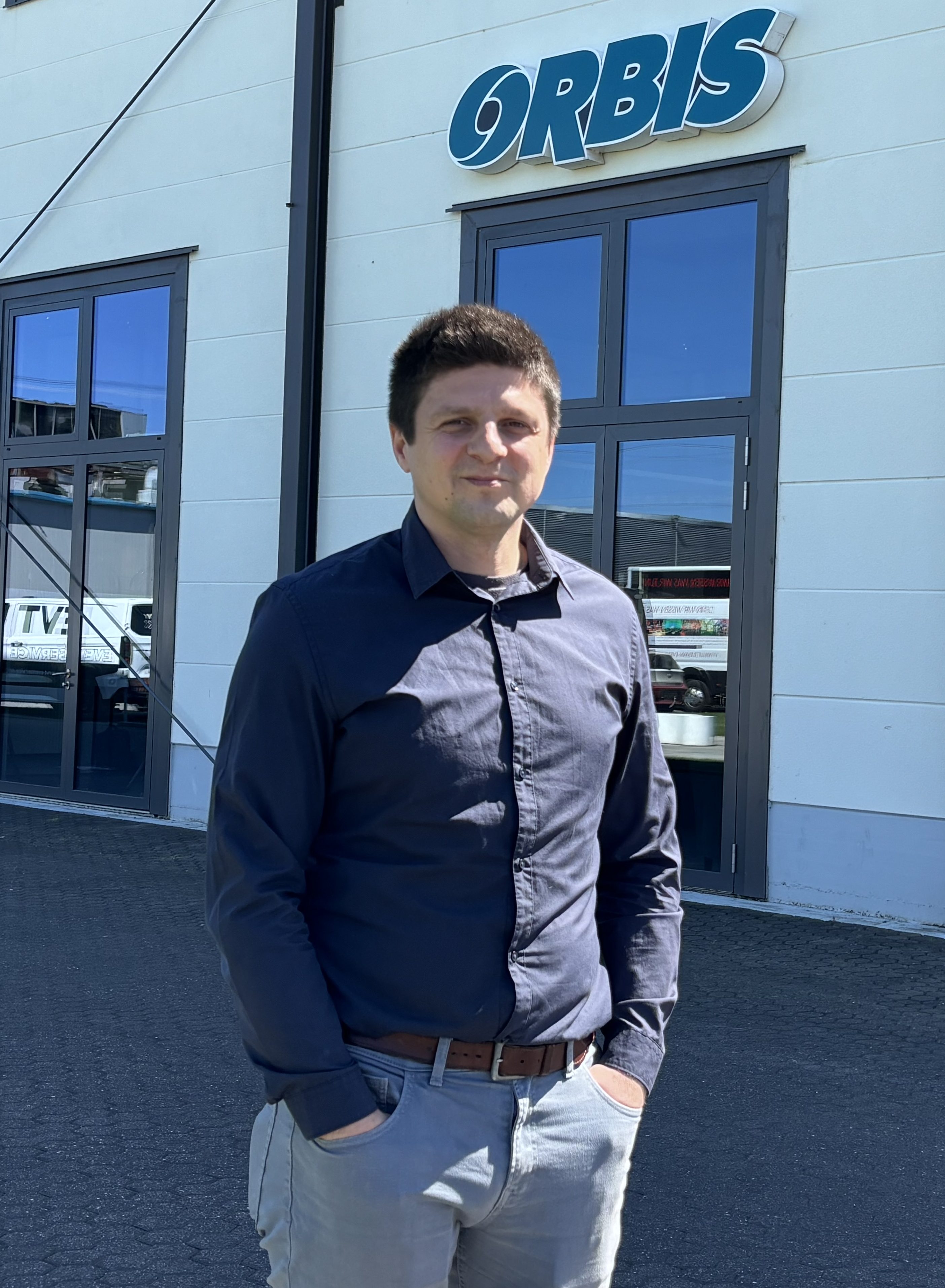
Mr. Tamas Kodori – Romania, Slovakia, Hungary Markets
Nicola, you have now been with ORBIS for several months. What successes have you achieved during this time?
Nicola: Over the past nine months, I have strengthened our relationships with two major customers in Italy and expanded my network. At the same time, I have acquired two new customers. We are currently working to deepen our collaboration with them and gradually increase order volumes.
What are your medium- and long-term goals in your respective markets?
Nicola: In the medium term, I want to proactively engage with all existing customers in Italy, establish myself as their main point of contact at ORBIS and strengthen our relationships through regular communication. In the long term, my goal is to expand the sales network in Italy and enter new sectors, including the pharmaceutical and food industries.
Tamas: My main priority is to build strong, sustainable relationships with regional automotive manufacturers and their networks of Tier 1 and Tier 2 suppliers. We are taking the same approach in the battery market, where ORBIS is well positioned with its certified dangerous goods packaging solutions. At the same time, we are exploring additional cross-industry applications in which our solutions can provide added value.
Thank you both for the interview!
With the appointment of its two new regional experts, ORBIS Europe is consistently pursuing its growth strategy – not from a distance, but through local contacts who are present in the region and understand the individual markets and their requirements.
Contact
 +49 2233 619 2072
Other articles in our news

Logistics in the food industry: Meeting high standards with plastic packaging
Transporting food safely, hygienically, and cost-efficiently is a constant challenge for manufacturers and logistics service providers in the food industry. At the same time, sustainability expectations continue to grow—driven by regulations such as the EU Packaging Regulation (PPWR). As a result, traditional solutions like wooden boxes are increasingly reaching their limits. In the right applications, reusable plastic packaging offers a forward-looking alternative—one that not only meets strict regulatory and ecological requirements but also delivers clear economic added value.
Heavy industry: Plastics open up new possibilities
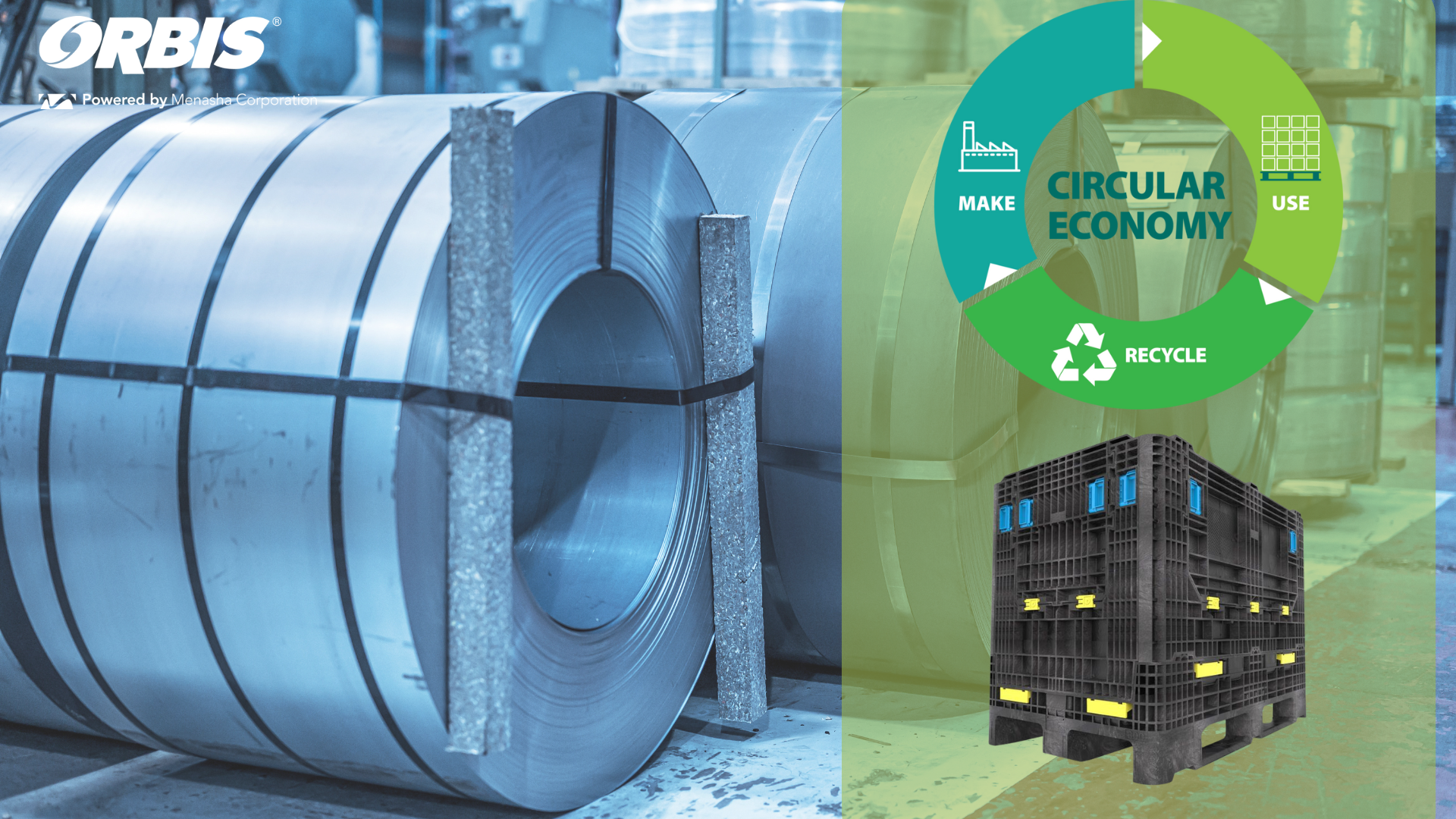
Transport packaging: It influences how safely components arrive, how efficiently storage space is used, and how high a company’s carbon footprint is. Many industrial companies still rely on traditional steel containers today because of their high load-bearing capacity. However, they are also heavy, rigid, prone to rust, and expensive to transport when empty. Reusable plastic packaging offers an economical and ecological alternative in the right application.

New countries, new formats, new ideas
2025 was a year full of change for ORBIS Europe: with a stronger local presence, new team members, and exciting trade fair appearances, we have set the course for the coming years. It’s time to summarize what has particularly shaped us this year—and where the journey will take us in 2026.