

18 Jun Logistics in the food industry: Meeting high standards with plastic packaging
Logistics in the food industry: Meeting high standards with plastic packaging
Sustainable and durable transport solutions as an alternative to wooden boxes
YOUR POINT OF CONTACT

If you need additional information on our products or would like to request a quote, we are happy to help.
Transporting food safely, hygienically, and cost-efficiently is a constant challenge for manufacturers and logistics service providers in the food industry. At the same time, sustainability expectations continue to grow—driven by regulations such as the EU Packaging Regulation (PPWR). As a result, traditional solutions like wooden boxes are increasingly reaching their limits. In the right applications, reusable plastic packaging offers a forward-looking alternative—one that not only meets strict regulatory and ecological requirements but also delivers clear economic added value.
The HACCP concept (“Hazard Analysis Critical Control Point”) is a legally required hygiene management system for food establishments. It requires companies to use logistics tools that ensure product safety at every stage. This means transport packaging must not only be stable, but also easy to clean and resistant to moisture, temperature fluctuations, and intensive use. This is exactly where wooden boxes and pallets often fall short. Wood absorbs moisture and can warp over time, compromising both stability and hygiene. It is also more susceptible to damage, and splinters can block equipment or contaminate products. The result: production disruptions, downtime, and an increased risk to food safety.
A Safe and Durable Alternative
Reusable plastic transport packaging addresses these challenges directly. It is moisture-resistant, easy to clean, and retains its shape even after many cycles of use. This consistency allows for smooth integration into automated processes, improving efficiency across the supply chain. Its non-porous surface enhances product protection, while its durability ensures long-term performance. At the same time, plastic packaging is fully recyclable at the end of its life cycle, making it a smart choice for companies aiming to build more sustainable supply chains. Jürgen Krahé, Senior Director EMEA at ORBIS Europe, explains how users also benefit from plastic solutions:
1. Jürgen, why is reusable plastic transport packaging becoming increasingly important in the food industry?
A major driver is regulation: from 2030, the PPWR will require companies to use reusable packaging made from at least 35% recycled material. These solutions must also achieve a defined number of reuse cycles, currently still being determined by policymakers and expected in the second half of 2026. In addition, the material must be recyclable and suitable for producing new packaging. Companies that adopt plastic solutions are already well positioned to meet these requirements. Since plastic also does not splinter, users benefit from greater occupational safety and cleaner handling processes.
2. To what extent do plastic solutions contribute to sustainable and resource-saving logistics?
Plastic packaging is 100 percent recyclable and can be reintegrated into the value chain at the end of its service life. ORBIS Europe supports this circular approach by buying back end-of-life load carriers, recycling them, and using the recovered material to produce new packaging.
Beyond the environmental benefits, there are clear economic advantages: plastic pallets typically last significantly longer than wooden ones and do not require disposal at the end of their lifecycle. This eliminates associated legal obligations and costs, including fees.
3. How can it be assessed whether a switch is economically viable?
To answer this, it is essential to take a full life-cycle perspective. Life-cycle analyses show how different packaging solutions impact costs, resource consumption, and CO₂ emissions over time.
ORBIS product managers work closely with customers to analyze supply chains and logistics processes in detail. Based on these insights, they develop tailored concepts that demonstrate how reusable load carriers can support sustainability goals while reducing overall costs.
Business as a Circular Economy
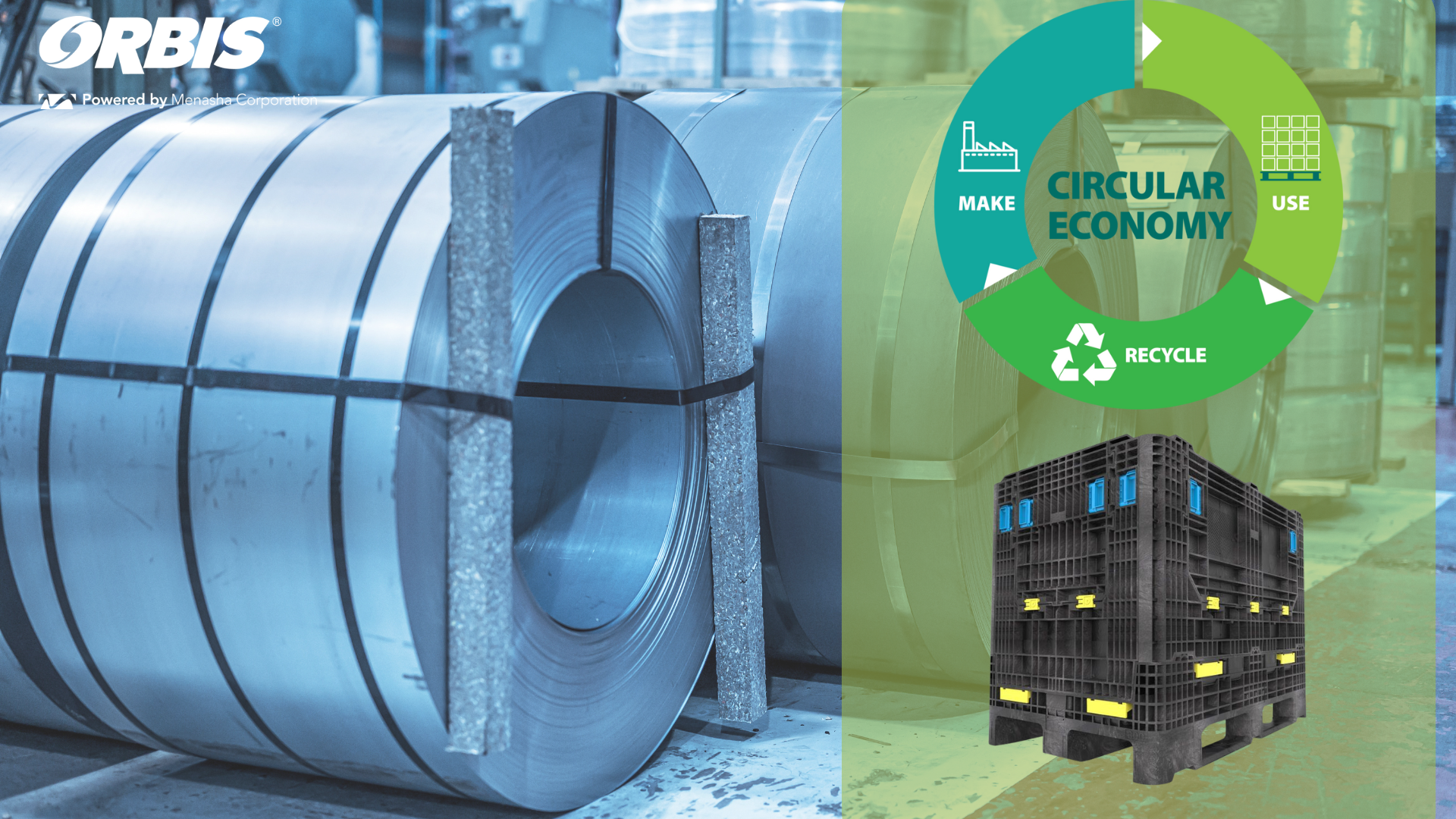
A central concept behind reusable plastic transport packaging is the circular economy.
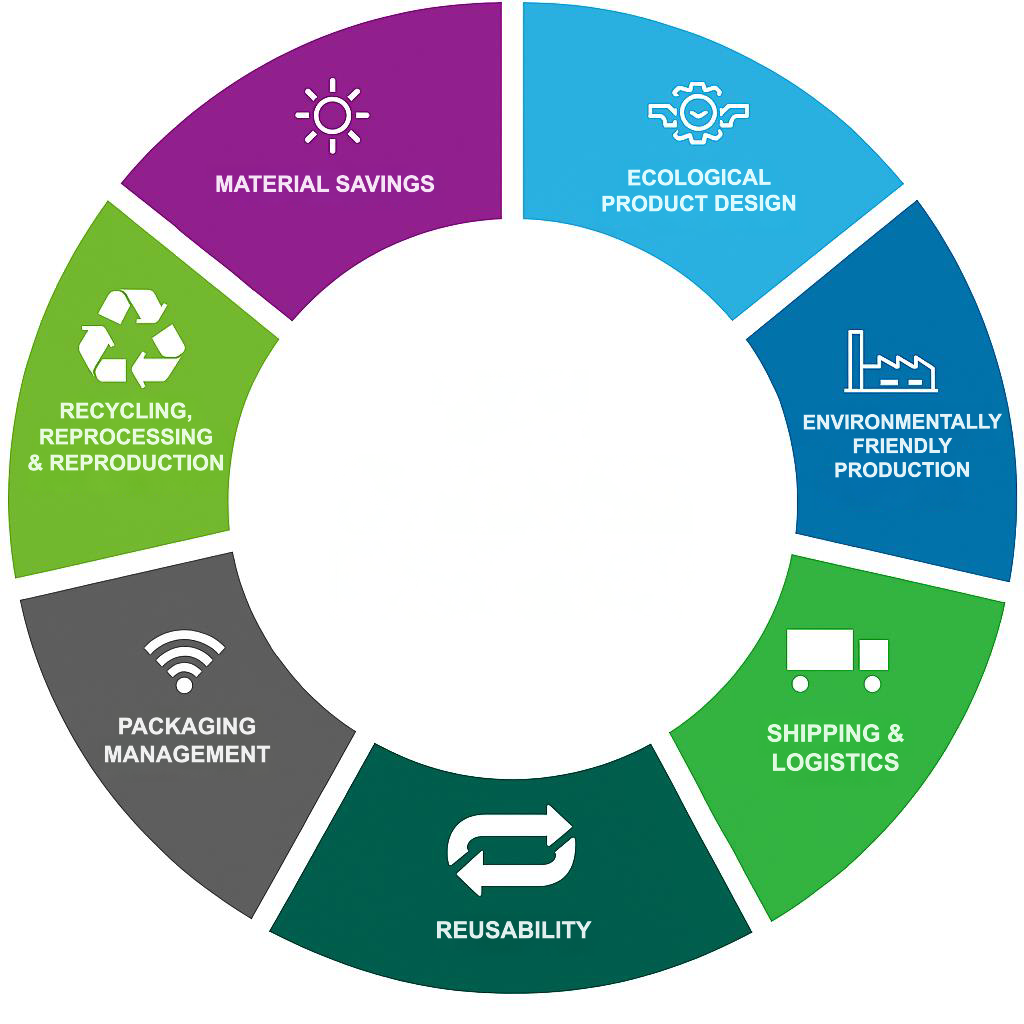
Its goal is clear: to keep materials in use for as long as possible and maximize their value. To achieve this, the following key principles apply:
-
- Reduce: Reusable solutions help reduce solid waste, water consumption, emissions, and energy use by limiting the need for single-use packaging.
- Reuse: Load carriers are used multiple times within supply chains, extending their lifecycle significantly.
- Recycle: At the end of their service life, plastic packaging solutions can be fully recycled.
- Repurpose: Recycled material is used to manufacture new packaging solutions, closing the loop.
For the food industry, this means less waste, reduced reliance on primary resources, and a shift toward supply chains built on reuse rather than disposal. In doing so, companies make a meaningful contribution to a more sustainable future. ORBIS products, known for their robustness and durability, play a key role in enabling greener, more efficient supply chains.
Contact
 +49 2233 619 2072
Other articles in our news
Make Full Use of Load Capacity
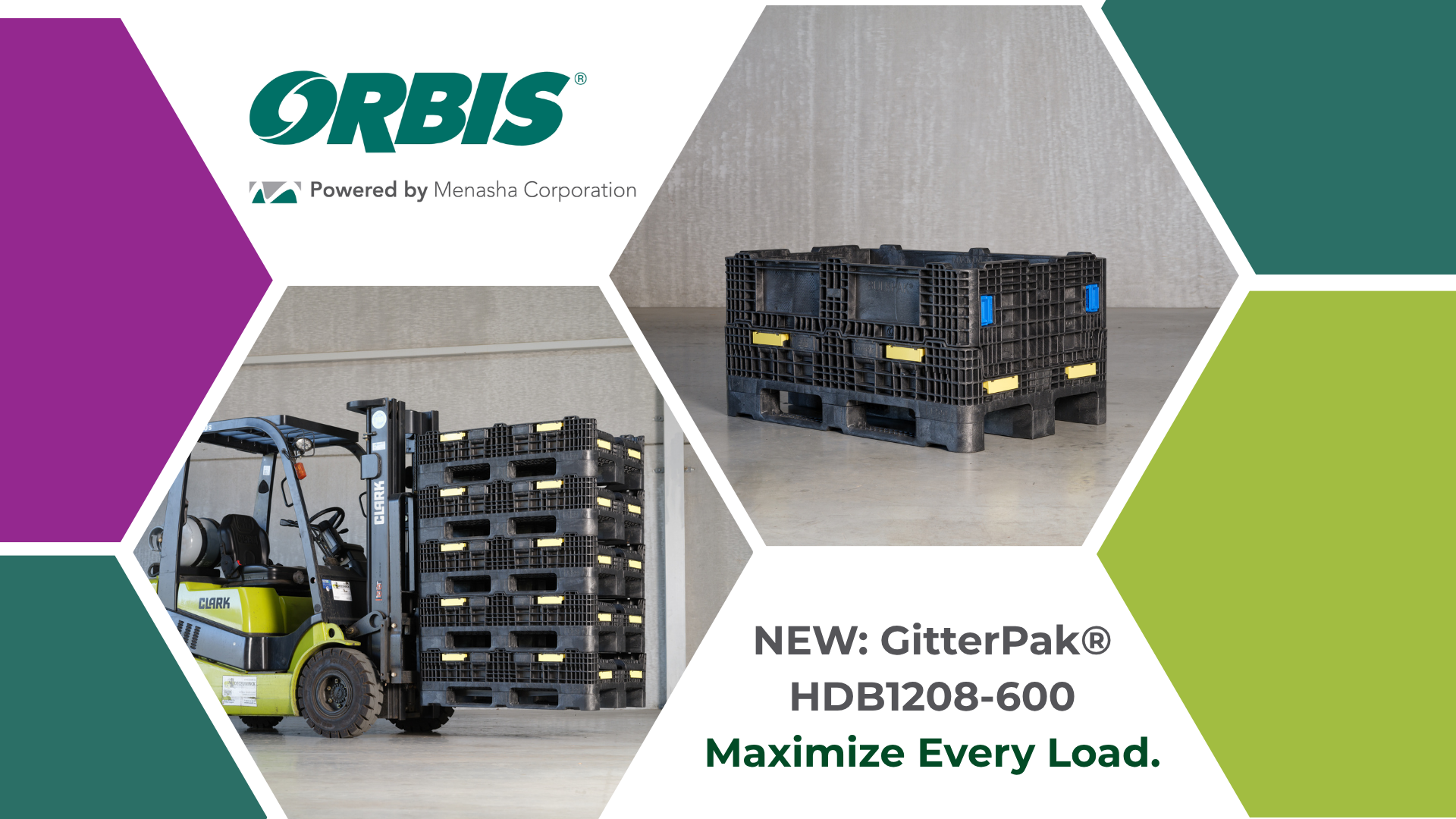
A truck transporting air is just as expensive as one that is fully loaded. When shipping bulky industrial components, transport containers are often not filled to capacity. Several ORBIS customers were facing exactly this challenge. Our product development team addressed it with an idea that has now reached full production readiness: a lower-profile version of the proven GitterPak® for heavy industrial components.
Local to Local: ORBIS Europe enters new markets with regional experts
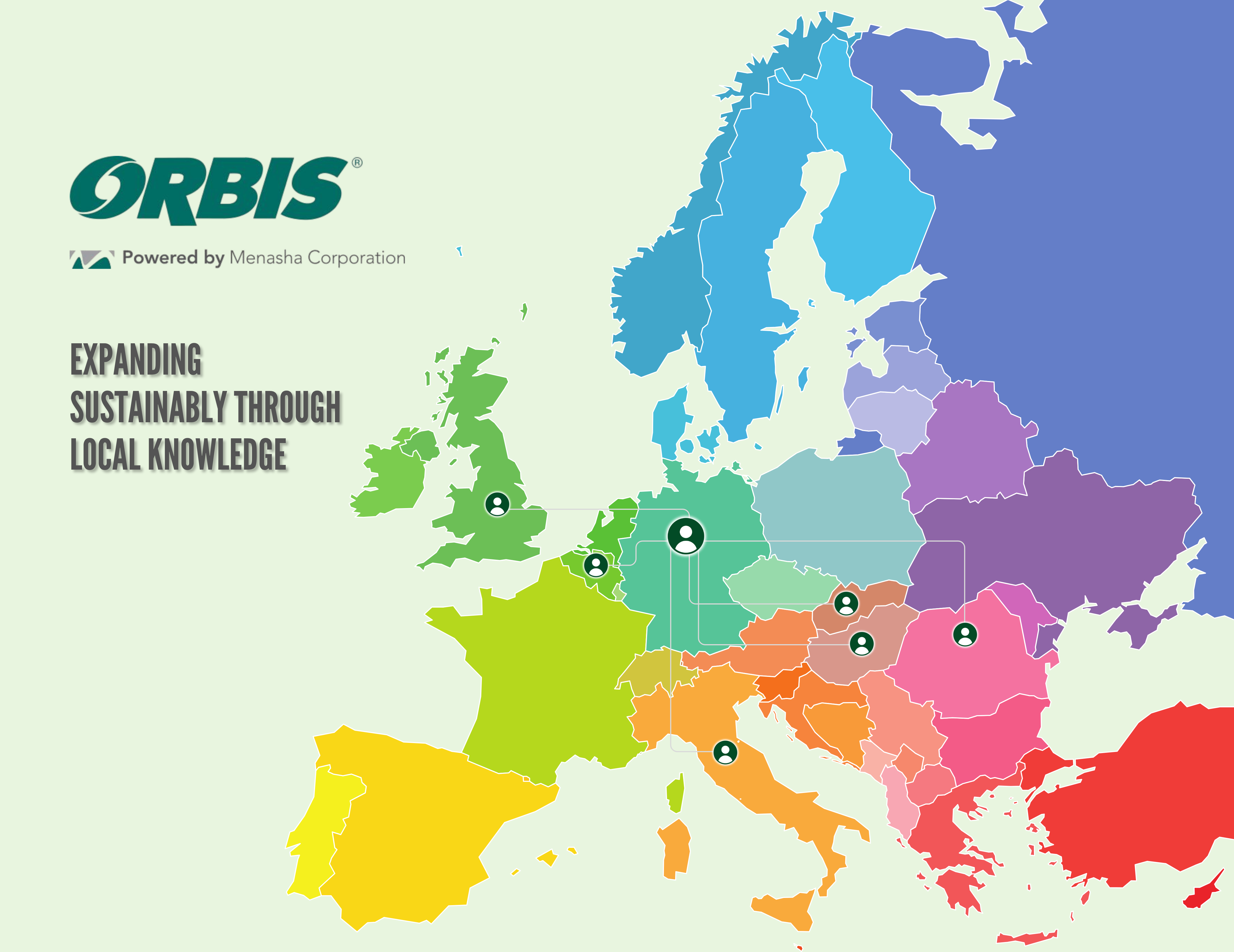
ORBIS Europe continues to grow: Since September 2025, the manufacturer of sustainable plastic packaging has been active in the Italian market, with Nicola Corciulo as its local representative. In April 2026, the company expanded its European presence to Romania, Slovakia and Hungary, appointing Tamas Kodori at the helm. In doing so, ORBIS is pursuing a “Local to Local” approach.
Heavy industry: Plastics open up new possibilities
Transport packaging: It influences how safely components arrive, how efficiently storage space is used, and how high a company’s carbon footprint is. Many industrial companies still rely on traditional steel containers today because of their high load-bearing capacity. However, they are also heavy, rigid, prone to rust, and expensive to transport when empty. Reusable plastic packaging offers an economical and ecological alternative in the right application.