
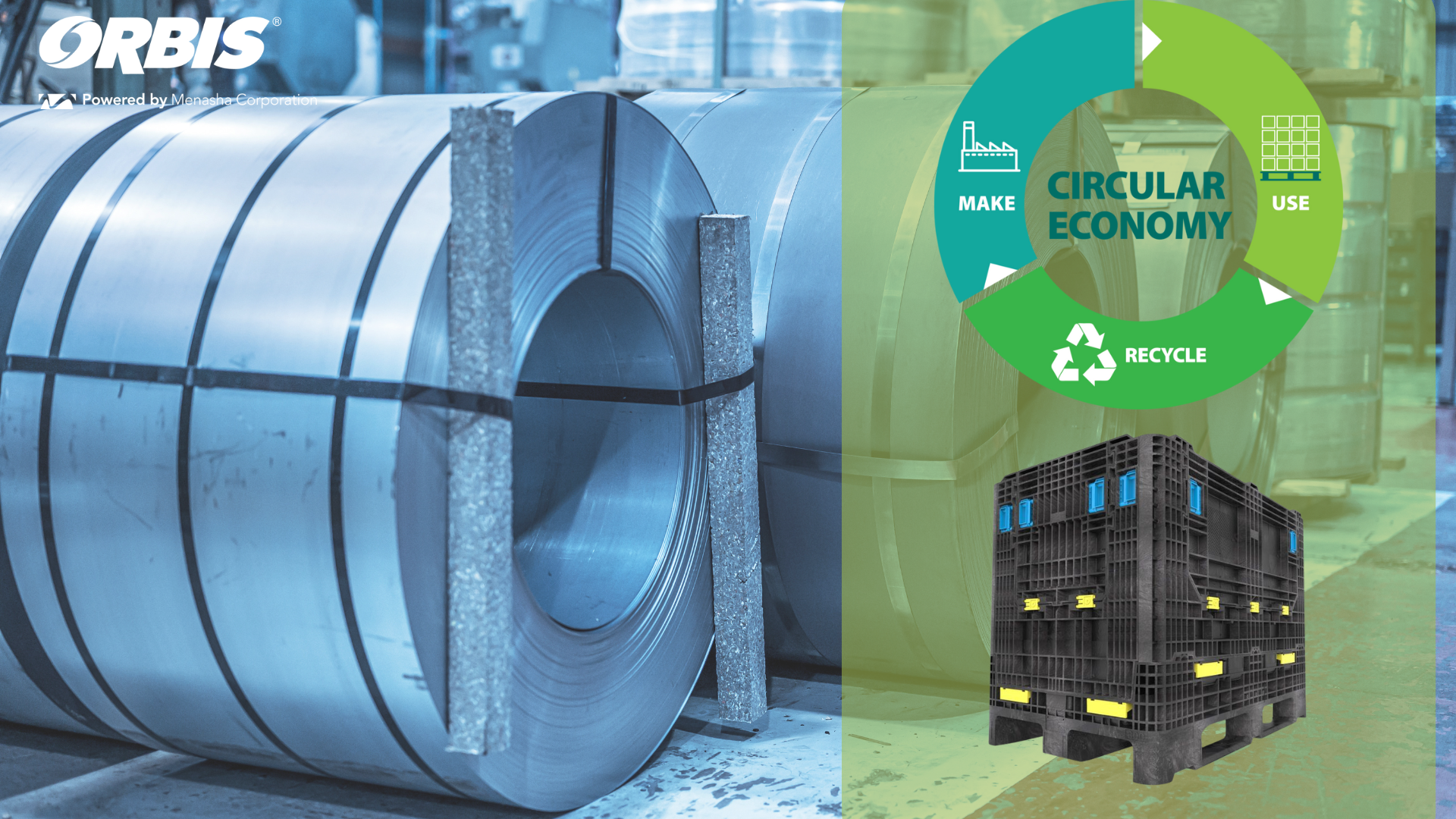
08 Jan Heavy industry: Plastics open up new possibilities
Heavy industry: Plastics open up new possibilities
Sustainable processes through reusable plastics
YOUR POINT OF CONTACT

If you need additional information on our products or would like to request a quote, we are happy to help.
Whether in mechanical engineering, automotive supply, or agricultural technology, companies in various sectors of heavy industry today face similar logistical challenges. Components are large and complex, costs are rising, supply chains are becoming more international, and sustainability requirements are becoming stricter. Transport packaging plays a central role in this: it influences how safely components arrive, how efficiently storage space is used, and how high a company’s carbon footprint is. Many industrial companies still rely on traditional steel containers because of their high load-bearing capacity. However, they are also heavy, rigid, prone to rust, and expensive to transport when empty. Reusable plastic packaging offers an economical and ecological alternative in the right application.
An everyday scenario that illustrates the problems
A truck drives into the factory of a metalworking company and is unloaded. The supplier’s transport packaging is made of steel and has been in use for several years. During unloading, the downsides of the material become apparent: some containers are starting to rust, others are already deformed. The enormous weight of the boxes also drives up transport costs – especially for return transport, as the empty steel containers can hardly be stacked in a space-saving manner. Another critical aspect is the difficulty of handling the boxes due to the high risk of injury. When opening or moving them, employees must pay particular attention to sharp edges.
Such problems are not uncommon, but affect many companies that transport heavy components. It is clear that alternative transport solutions are needed for efficient and sustainable logistics.
Recyclable plastic packaging: durable, robust, and lightweight
 This is where reusable plastic transport packaging comes into play. It offers a robust, economical, and sustainable alternative to steel boxes. Thanks to the high resistance of the material, these reusable solutions can be used for more than 10 years when handled properly. The smooth surfaces protect the products during transport, reduce the risk of injury to employees, and make cleaning easier.
One example of such plastic solutions is the GitterPak® large load carrier (LLC) from ORBIS Europe: The LLC can carry loads of up to 900 kg, making it ideal for transporting heavy components. Its low weight facilitates handling and reduces transport costs. The economic savings are particularly evident in return transport: thanks to its foldable design, up to 264 GLTs can be loaded onto a truck. When upright, the number is 78. This reduces fuel costs and thus also CO2 emissions.
Recycled materials as a resource: Doing business in line with the circular economy
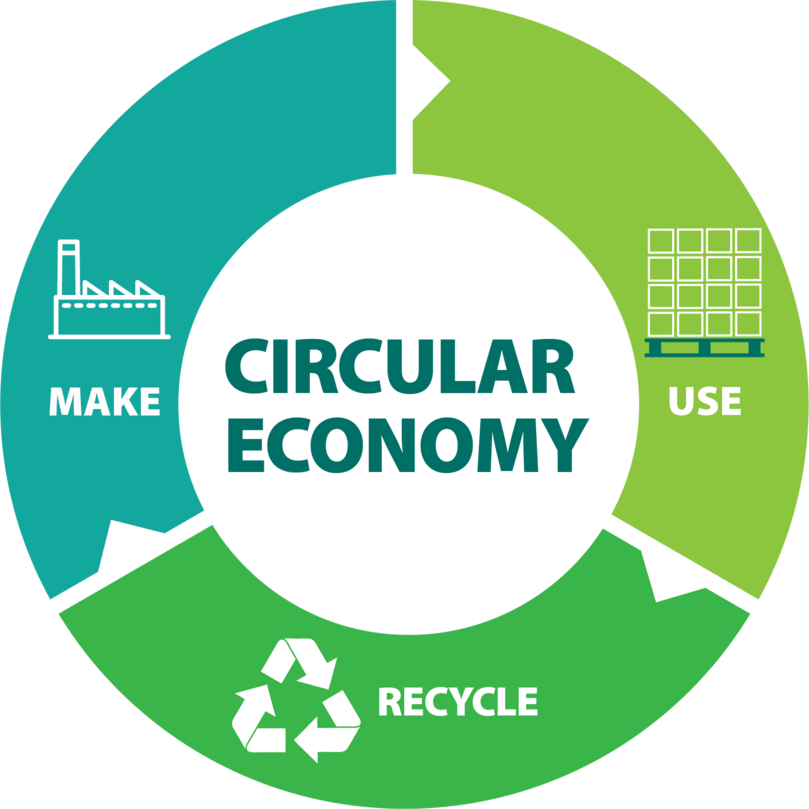 Not only does optimized utilization during transport contribute to more sustainable logistics, but so does the material composition: more than half of the GitterPak® is made from recycled material. This means that the production of a plastic large load carrier saves 60-70 kilograms of CO2 compared to a steel mesh box. Companies can thus reduce their carbon footprint.
At the end of its service life, GLT is also fully recyclable; the material is used in the manufacture of new products. “Companies are thus operating in line with the principles of a circular economy,” says Jürgen Krahé, Senior Commercial Director EMEA at ORBIS Europe. “The aim is to keep products and resources in circulation for as long as possible, thereby reducing negative impacts on the environment.”
An investment that pays off
Although plastic solutions are initially more expensive to purchase than metal, their significantly longer service life ensures that the investment quickly pays for itself. In addition, ORBIS Europe buys back used load carriers at the material price for recycling. This saves customers disposal costs and generates monetary benefits when purchasing new products.
Sustainable logistics starts with packaging
In times of rising material prices, stricter climate regulations, and increasingly complex supply chains, one thing is clear: the right load carrier is not “just” transport packaging, but a strategic competitive advantage. Reusable plastic containers combine high robustness with low weight, enable CO₂ savings along the entire supply chain, and reduce costs in the long term. For companies in heavy industry, the GitterPak® offers a solution that brings both technical and economic benefits.
Click here for more information about the GitterPak®.
Kontakt
 +49 2233 619 2072
Further articles in our news

New countries, new formats, new ideas
2025 was a year full of change for ORBIS Europe: with a stronger local presence, new team members, and exciting trade fair appearances, we have set the course for the coming years. It’s time to summarize what has particularly shaped us this year—and where the journey will take us in 2026.
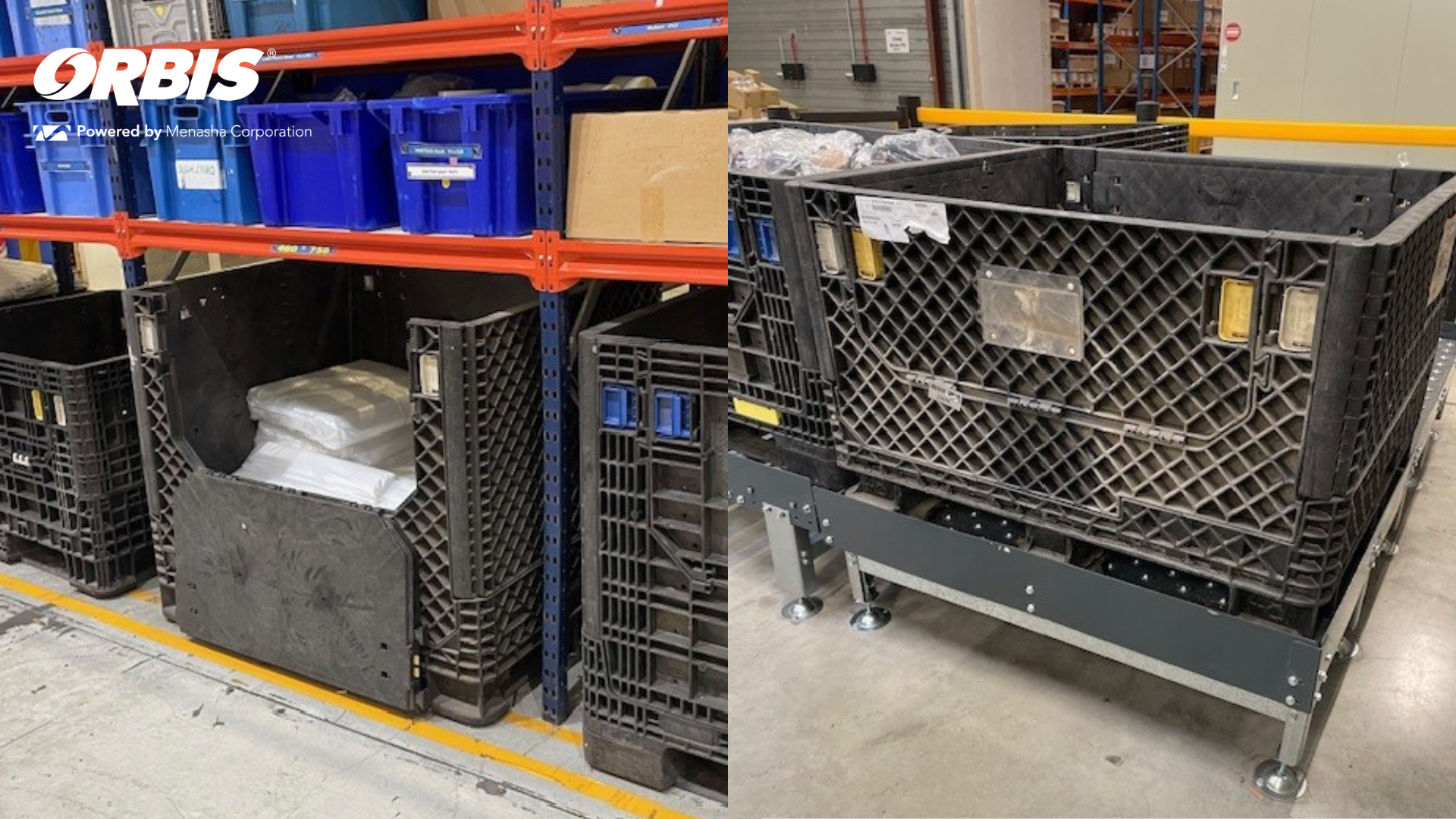
20 years of strength: large load carriers that last.
In the fast-paced logistics industry, two decades are half an eternity. This makes it all the more remarkable when transport packaging remains in use over this period without losing any of its functionality. This is precisely what a use case for our transport packaging demonstrates: a global customer has been using our reusable plastic packaging since 2003, showing how economic efficiency and sustainability can be combined. Since then, the robust containers have survived thousands of cycles, withstood the stresses of production and logistics, and at the same time helped to reduce CO2 emissions and costs.
FAQ on the new EU Packaging Regulation (PPWR)
The new EU Packaging Regulation (PPWR) brings major changes for companies that use, produce, or distribute packaging. To help you stay on top of things, we’ve compiled answers to the most important questions in the following FAQs – practical, understandable, and to the point.